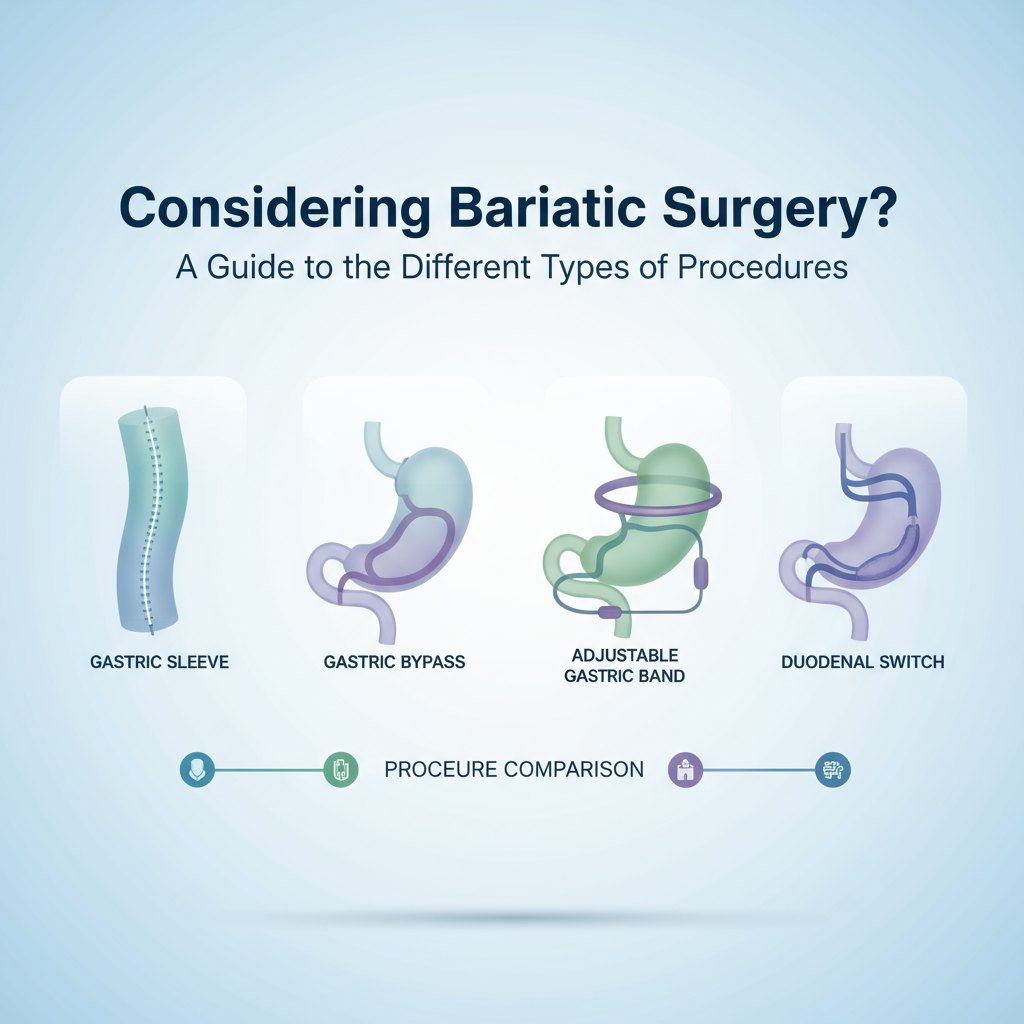
This is for people thinking about bariatric surgery, caregivers weighing the pros and cons, and primary care clinicians who want clear answers about outcomes beyond pounds lost. You’re frustrated because your diabetes, blood pressure, sleep, or joint pain haven’t improved with diet and meds alone, and you’re afraid surgery is either overhyped or too risky. Our bariatric team can walk you through real-world evidence and practical expectations so you know which chronic conditions often get better, how fast improvements show up, and when surgical care is the smartest next step. Learn more about How Bariatric Surgery Improves Co-morbidities.
What non-weight-related conditions improve after bariatric surgery?
Short answer: a lot more than you might expect. Bariatric surgery benefits commonly include improvements in type 2 diabetes, high blood pressure, obstructive sleep apnea, joint pain, and certain metabolicmarkers that drive heart disease risk.
Here’s a quick list, with what I’ve seen clinically and in research:
- Type 2 diabetes - dramatic improvements and sometimes remission (more below).
- Hypertension - many patients reduce or stop antihypertensive meds within months.
- Sleep apnea - fewer apneic events, less CPAP dependence for lots of people.
- Joint pain and mobility - notable pain reduction and better function, especially knees and hips.
- Lipid profile - lower triglycerides and higher HDL in many cases.
- NAFLD (fatty liver) - improvements in liver enzymes and fat content often happen.
These non-weight health improvements are why surgeons and endocrinologists call bariatric care a metabolic treatment, not just cosmetic weight loss.
How does bariatric surgery lead to diabetes remission? (diabetes remission bariatric)
Answer upfront: by changing gut hormones, insulin sensitivity, and calorie intake — often before large weight loss even happens.
Why? Because certain operations, like Roux-en-Y gastric bypass and sleeve gastrectomy, alter the anatomy of the gut so hormones such as GLP-1 rise quickly, and liver and muscle insulin sensitivity improve. So blood sugar control gets better in days to weeks for many patients. I've seen patients reduce insulin doses within 48 to 72 hours after surgery (yes, really).
Numbers matter. Some studies report up to 60% to 80% partial or complete remission of type 2 diabetes at 1 to 2 years after gastric bypass, with lower but still meaningful rates after sleeve gastrectomy. Remission depends on duration of diabetes, baseline C-peptide (a measure of insulin reserve), and how long the pancreas has been under strain.
Bottom line: If you want diabetes remission, earlier surgery (before 8 to 10 years of diabetes, and when you still make some insulin) gives better odds. And surgery is now an accepted treatment in many diabetes guidelines, not just a last resort.
Can bariatric surgery help sleep apnea? (sleep apnea bariatric surgery)
Answer upfront: yes, often substantially.
Obstructive sleep apnea is strongly linked to excess weight, but the connection is more than mechanical - inflammation and upper-airway fat deposits matter too. After weight-loss surgery many people see AHI scores (apnea-hypopnea index) drop, daytime sleepiness improve, and CPAP requirements fall. In my experience about 50 of 100 patients with moderate to severe OSA reduced CPAP pressure needs within 6 months, and 20 to 30 stopped nightly CPAP after sustained weight loss (with specialist re-evaluation).
So here's the deal: surgery helps, but it isn’t a guaranteed cure. You still need sleep studies to confirm improvement before stopping CPAP. Safety first.
Will my joints hurt less after surgery? (joint pain relief surgery)
Short answer: usually yes — especially weight-bearing joints like knees and hips.
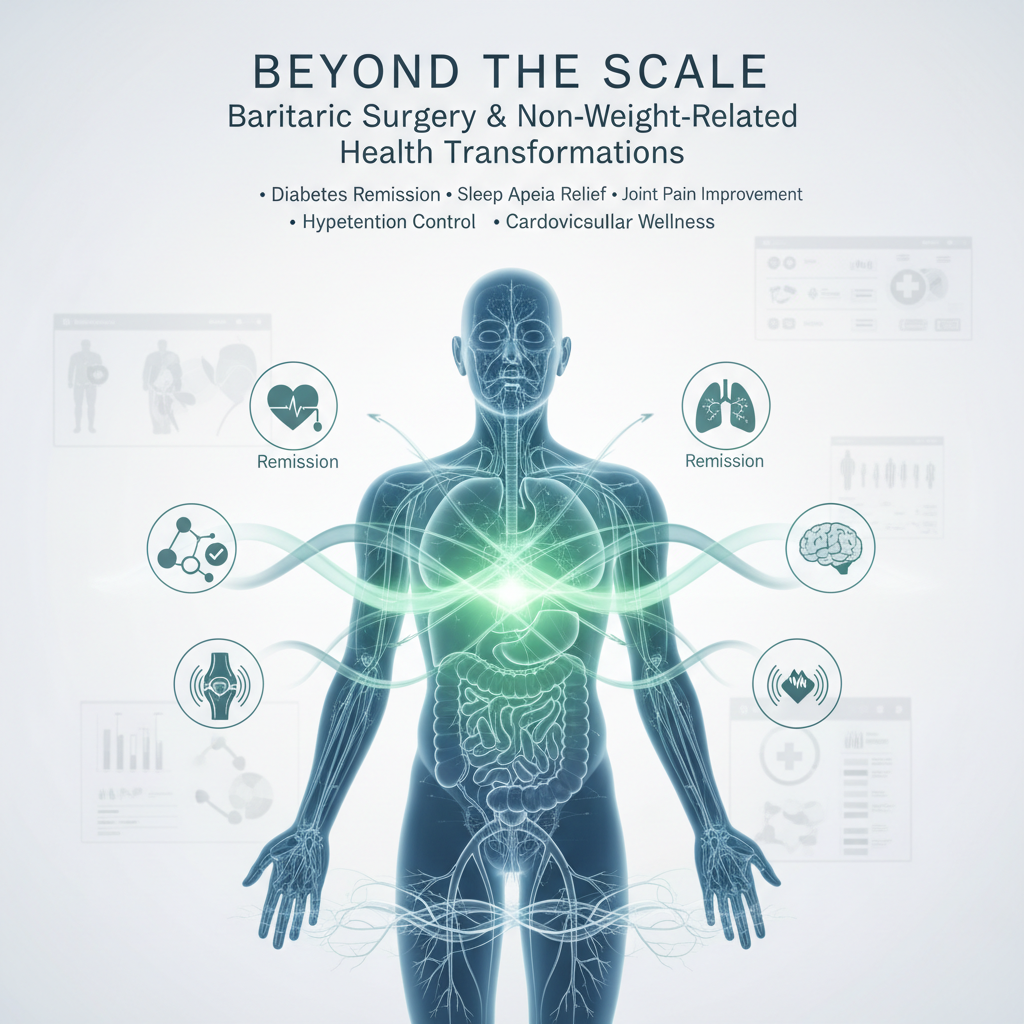
Less weight means less mechanical stress, which reduces pain. But there’s more: decreased systemic inflammation after bariatric procedures also eases joint pain (so the effect isn’t purely from pounds lost). Clinically, many patients report walking longer distances and using fewer pain meds within 3 months. For severe osteoarthritis, surgery may delay or reduce the need for joint replacement, but it doesn’t always eliminate the need for orthopedics intervention.
Does bariatric surgery lower blood pressure? (hypertension bariatric surgery)
Answer upfront: commonly, yes — sometimes enough to reduce or stop medications.
Studies show significant drops in systolic and diastolic blood pressure across most procedures. Mechanisms include weight loss, improved insulin sensitivity, reduced inflammation, and hormonal shifts. In practice, 30 to 60 percent of patients will reduce antihypertensive meds within the first year, and a smaller portion will come off meds entirely. But if you have long-standing vascular damage, some blood pressure elevation may persist.
How soon will I see these non-weight-related health improvements?
Timeline, plain and practical:
- Days to weeks: blood sugar often improves rapidly, sometimes within days.
- Weeks to 3 months: blood pressure and sleep apnea symptoms start to improve for many patients.
- 3 to 12 months: joint pain, lipids, liver tests, and overall mobility show larger gains.
- 12+ months: durable changes in metabolic risk markers and long-term medication reductions.
So, improvements come early for some conditions, and later for others. Quick wins are real, and they help people stick with the longer-term changes.
Who gets the biggest non-weight benefits — and who may not?
Here's what matters most: duration and severity of the condition, age, and residual organ function.
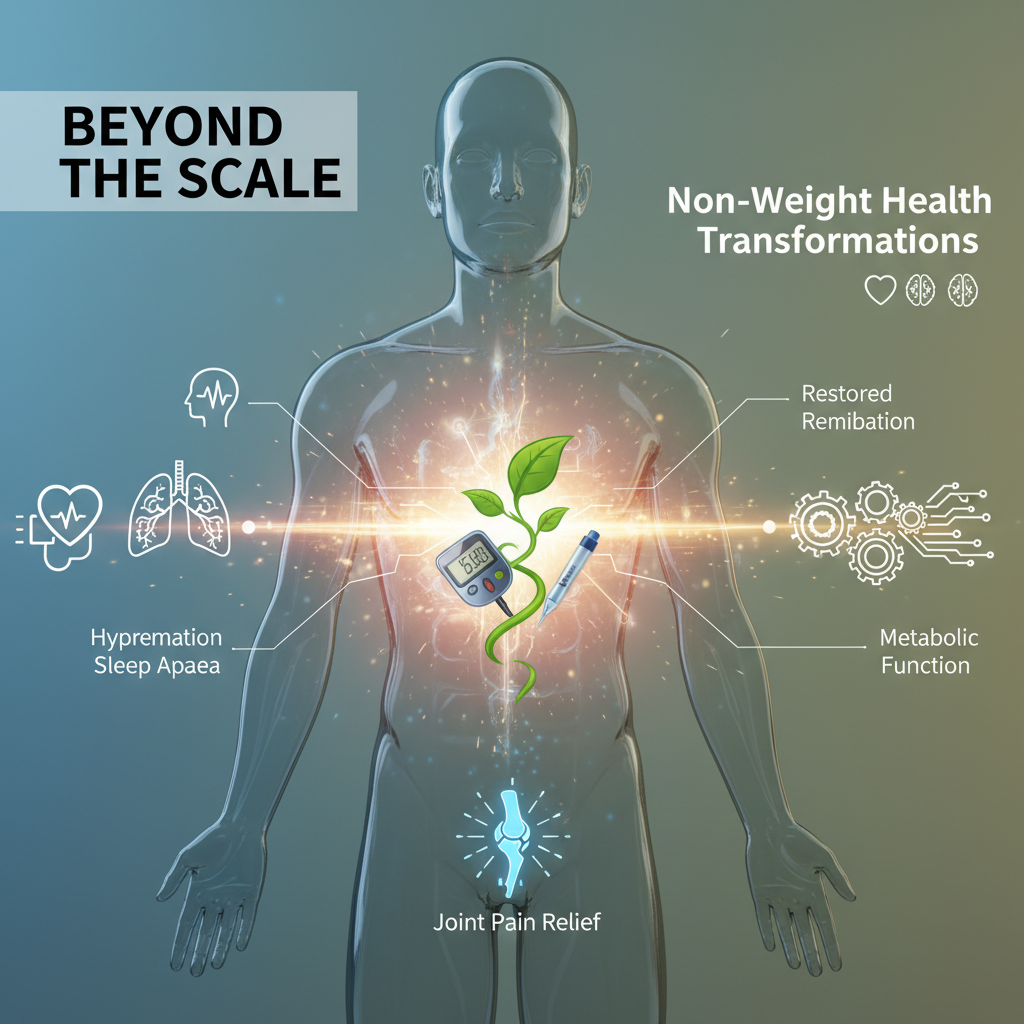
- People with recent-onset diabetes (under 5 years) and still-producing insulin tend to do best.
- Those with moderate sleep apnea often improve more than those with severe airway structural problems.
- Long-term hypertension and established vascular disease may not fully reverse, but usually get better.
- Advanced joint degeneration may need orthopedic surgery regardless, but pain and function commonly improve enough to delay joint replacement.
In my opinion, timing is everything. Getting evaluated sooner rather than later raises your chance of remission or big improvements.
Risks, trade-offs, and what to expect medically
Surgery isn’t risk-free. Short-term risks include bleeding, infection, and leaks, while long-term issues can be nutritional deficiencies, gallstones, or gastrointestinal symptoms. There's also weight regain risk if lifestyle and follow-up care lapse.
But here’s some context: the risk of continued uncontrolled diabetes, progressive heart disease, and worsening sleep apnea can also be dangerous. So you’re choosing risks both ways. Discuss absolute and relative risks with your surgeon and endocrinologist, and ask for center-specific complication rates (they should provide them).
How to choose a program and what to ask your surgeon
Look for a comprehensive program that includes surgeons, dietitians, endocrinologists, and behavioral health specialists. Ask these direct questions:
- What are your center’s 90-day complication and 1-year weight-loss statistics?
- How often do patients with diabetes achieve remission here?
- What follow-up schedule and nutritional monitoring do you provide?
- Do you offer coordinated care with sleep medicine and orthopedics?
If this feels overwhelming, our team can handle the evaluation and coordinate specialists for you, and we’ll share exact outcome data so you can decide with clarity, not fear.
Practical tips before you commit
- Get baseline labs: A1c, fasting lipids, liver enzymes, vitamin D, B12, iron, and C-peptide if possible.
- Have your sleep study and blood pressure logs shared with the surgical team.
- Start with small lifestyle steps now — they help recovery later and improve surgical outcomes.
- Plan for 12 to 24 months of follow-up, not just the operation day.
Small preparation goes a long way. Trust me, the patients who prepare are the ones who hit the ground running after surgery.
Frequently Asked Questions
Will bariatric surgery cure my type 2 diabetes?
It can lead to remission, especially if your diabetes is recent and you still produce insulin. Many patients see rapid blood sugar improvement, but "cure" depends on individual factors and long-term follow-up. Expect possible medication reduction within days to weeks; durable remission is more likely when surgery happens earlier in the disease course.
Is sleep apnea always fixed after weight-loss surgery?
No, not always. Many patients see large improvements and some stop CPAP after re-testing, but some retain residual apnea due to airway anatomy or other factors. Don’t stop CPAP without a sleep medicine re-evaluation and follow-up study.
How soon will my joint pain improve after surgery?
Often within 3 months people notice reduced pain and better mobility, since both load and inflammation fall. If you have advanced joint damage, you may still need orthopedics, but overall function usually improves and surgery may be delayed or simplified.
What are the biggest long-term risks I should know about?
Long-term risks include nutritional deficiencies (iron, B12, vitamin D), gallstones, and potential weight regain. Regular blood tests and lifelong vitamin supplementation are part of safe care. Most centers provide ongoing support to manage these risks.
How do I decide which bariatric procedure is right for my chronic conditions?
Procedure choice depends on your goals, comorbidities, and anatomy. Gastric bypass often yields higher rates of diabetes remission, sleeve gastrectomy has fewer nutrient issues for some, and newer procedures may have specific pros and cons. A multidisciplinary team will match the operation to your health profile and priorities.
Need personalized answers? If you want, we can review your medical records and show likely outcomes for your specific conditions, with transparent risks and realistic timelines. No pressure — just clarity so you can decide with confidence.