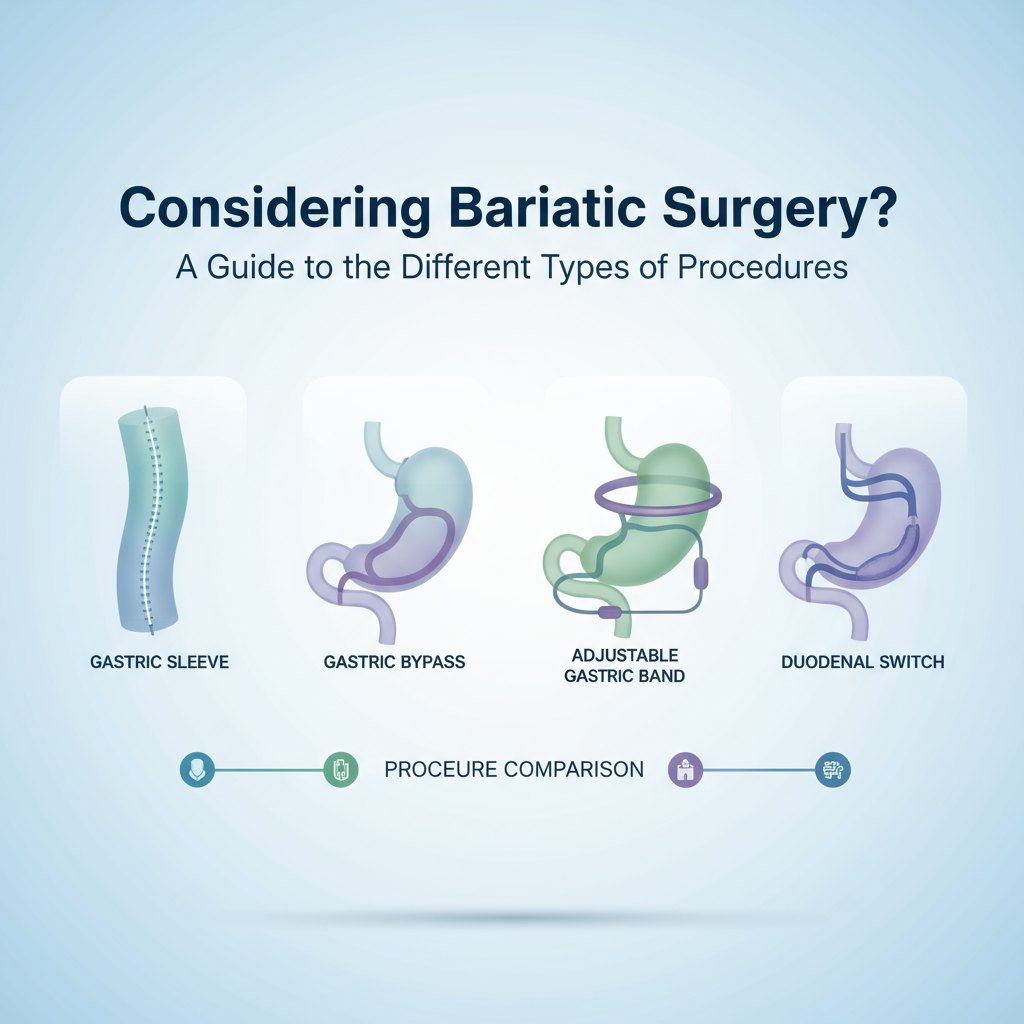
For people scheduled for bariatric surgery and the caregivers who'll support them, this is for you — you’re anxious about pain, stairs, wound care, and not knowing how to set up a safe, comfortable space for the crucial first days of recovery. You want concrete, doable steps that reduce risk and speed healing. Our team has guided over 1,200 patients through home preparation and post-surgery recovery, and below you'll find a clear, prioritized plan you can start using today (no medical degree required).
What should I do to prepare my home for bariatric surgery recovery?
Short answer: make recovery predictable, not chaotic. That lowers stress, and stress slows healing. Here are the top steps I recommend, in order.
- Create a main recovery zone - Set up one bedroom as your base. Put the bed at a comfortable height, place a lamp and phone within arm's reach, and keep water and protein drinks on a side table. This reduces the need to move around a lot for 3 to 7 days.
- Clear walking paths - Remove rugs, cords, and clutter along your main routes (bedroom to bathroom, kitchen). Falls are a common early complication; you can prevent most of them by clearing one safe path.
- Bathroom safety - Add a raised toilet seat, non-slip mats, and a shower chair. A handheld shower head is a huge help (you can sit, and rinse without standing).
- Stock easy meals and supplies - Have 7 to 14 days of bariatric-friendly foods and protein-rich liquids ready (protein shakes, Greek yogurt, pureed soups). Freeze 6 ready-to-reheat meals that follow your surgeon’s diet plan. Learn more about bariatric-friendly foods.
- Prepare medications and wound care - Put prescriptions, a pill organizer, saline for cleaning incisions, and adhesive strips in one box labeled “post-op supplies.” That box should be near your recovery zone. Learn more about medications and wound care.
- Arrange support - Line up at least 1 caregiver for the first 72 hours and additional help for errands, grocery trips, and pet care. People underestimate how tired they'll be. Ask friends to sign up for 2-hour shifts (meal prep, light housekeeping).
- Charge electronics and plan entertainment - Charge phones, tablets, and headphones. Load up podcasts, audiobooks, and 2 to 3 season-long TV shows (naps will be frequent).
How long does recovery take after bariatric surgery?
Recovery timelines vary, but here’s the typical arc I've seen. Most patients are up and walking within 6 to 12 hours after surgery, with light activity over the first week. Expect 2 to 4 weeks before you resume light work, and 4 to 8 weeks for more strenuous activity. Full internal healing may continue for 3 months or more. Why? Because your body needs time to adjust to a smaller stomach and to heal incisions. So plan for a phased return - short walks first, then longer walks, then exercise.
What equipment and supplies are essential for post-surgery recovery?
Practical items make a big difference. You don’t need a shopping list the length of a novel. Focus on safety and nutrition.
- Raised toilet seat and grab bars (bathroom)
- Shower chair and handheld shower head
- Non-slip mats and night lights
- Reusable water bottle with measurements - hydration matters
- 7 to 14 days of protein shakes, 30-gram protein options if your surgeon recommends them
- Ice packs, adhesive strips, saline, and sterile gauze
- Light compression garments if prescribed
How do I manage pain and mobility at home?
Pain control and movement are a team, not enemies. Move early and often - walk short distances every 1 to 2 hours while awake. That lowers risk of blood clots and speeds bowel recovery. Use medications exactly as prescribed. If your surgeon prescribes opioids, use them for breakthrough pain only and taper fast - they make you constipated, which complicates recovery.
Also: ice the incision sites for 20 minutes every 2 hours for the first 48 hours (helps swelling). And bear in mind - controlled, gentle movement often reduces pain more than staying in bed. Trust me, walking is one of the fastest things you can do to feel better.
How should I change my kitchen and meal plan for the first weeks?
Meals shift from volume to quality after bariatric surgery. You're not eating like you used to. So change your kitchen habits.
- Pre-portion protein servings into small containers, 2 to 4 ounces per serving, labeled with the day.
- Make 6 frozen single-serving purees or soups you can microwave (chicken-vegetable puree, blended lentil soup, etc.).
- Keep 10 to 14 ready-to-drink protein shakes accessible for nights or low-appetite days.
- Buy smaller plates and measuring cups to enforce portion sizes (this sounds trivial, but it helps).
- Remove tempting high-sugar snacks from easy reach for the first 6 weeks - willpower is low right after surgery.
When should I call my surgeon or go to the ER?
Call your surgical team immediately if you have any of these signs: fever above 101.5 F, increasing redness or drainage at incision sites, sudden severe abdominal pain, persistent vomiting for more than 12 hours, shortness of breath, or chest pain. Go to the ER if you suspect a blood clot (sudden calf pain, swelling) or if you’re very faint or disoriented. Don’t wait. Early problems are almost always easier to fix.
Practical tips for caregivers
Caregivers, listen up - your role is big but it can be structured. Here are 7 quick, concrete tips that make life easier for both of you.
- Keep a shared checklist on the fridge with meds, wound care schedule, and appointment dates.
- Plan short, frequent walks together - 5 minutes every hour builds endurance.
- Handle meal prep for the first 14 days, focusing on protein first, then texture and flavor.
- Manage sleep hygiene - low lights after 9 pm, comfortable pillows, and a quiet phone charging station.
- Be the “gatekeeper” for visitors - set visiting windows to avoid exhausting the patient.
- Watch for mood changes - emotional ups and downs are common; encourage short calls with the surgeon if depression hits.
- Keep one emergency contact sheet near the phone and in the recovery zone (surgeon, primary care, nearest ER).
Final checklist before surgery
Do these 9 things in the week before surgery and you’ll thank yourself later.
- Confirm ride home and who will stay 24 hours
- Prep 7 to 14 days of meals and label them
- Set up recovery zone with supplies within arm’s reach
- Install bathroom aids and non-slip mats
- Fill prescriptions and create a daily pill organizer
- Clear walking paths and remove throw rugs
- Charge devices and download entertainment
- Write down post-op instructions from the surgeon and place them on the fridge
- Arrange pet care and mail/package pickups
If this feels overwhelming, our team can handle the prep checklist with you, or take care of specific tasks like meal planning and equipment sourcing (we do this for patients all the time). Real talk - small, early investments in home preparation make recovery safer and a lot less stressful. Follow these tips and your post-bariatric surgery recovery will be cleaner, calmer, and faster.