Eating Out After Bariatric Surgery: A Restaurant Guide for Navigating Your New Diet
If you’ve recently had bariatric surgery and the idea of eating out makes you anxious, you’re not alone — many people fear messing up their post-op diet, feeling embarrassed at the table, or triggering pain and nausea. Learn more about Navigating Social Situations. This restaurant guide walks you through practical, bite-sized strategies and dining tips so you can enjoy meals out without the stress (and without undoing progress). If it feels overwhelming, our team can help you plan menus, create pocket-friendly cheat sheets for servers, and even rehearse ordering scripts before your next night out.
Can I eat out after bariatric surgery?
Short answer: yes. Long answer: yes, but slowly, carefully, and with a plan. Right after surgery you’ll follow a strict bariatric diet progression — liquids, purees, soft foods, then regular textures — and most surgeons recommend waiting until your dietitian signs off before tackling full restaurant meals.
Once you’re cleared for solid foods, eating out is possible. The key is managing portion sizes, prioritizing protein, and avoiding common pitfalls like high-sugar sauces, fried foods, and carbonated beverages. Learn more about mindful eating practices.
When is it safe to go back to restaurants?
Most people can try soft, sit-down meals about 6 to 12 weeks after surgery, but everyone's healing timeline is different. Ask your surgeon or dietitian for personalized clearance. And start with calm, familiar restaurants — not a crowded food festival on a Saturday night.
How to pick the right restaurant
Not all places are equal. You want menus with clear protein choices, customizable sides, and cooks who'll accommodate small portions. Here’s what to look for.
- Casual sit-down restaurants - usually best because servers can take special requests and food comes out in courses.
- Places with build-your-own options - bowls, salads, and grill spots let you control toppings and portion sizes.
- Ethnic restaurants - many have naturally protein-rich plates (Japanese, Mediterranean), but watch sauces and rice portions.
- Avoid high-end tasting menus your first few times out (too many courses, hard to control intake).
Ordering strategies - what to say, and what to avoid
Order like a pro. Think protein-first, veggies as sides, and swaps for starches. Below are practical phrases and specific swaps that work in most restaurants.
Protein-first ordering
Pick a lean protein and ask for half the usual portion or a small plate if available. Protein should be your first focus because it keeps you full and helps preserve muscle mass.
- Good picks: grilled chicken breast, salmon, lean beef, tofu, shrimp.
- Ask for no sauce or sauce on the side so you control sugar and fat.
Smart swaps and requests
- Replace fries or rice with steamed vegetables or a side salad (dressing on the side).
- Request half portions, child portions, or split an entree with a friend and put half in a to-go box immediately.
- Ask for bare grill or steamed prep instead of fried or breaded.
- For soups, choose broth-based and avoid cream-heavy bisques.
Sample phrases to tell your server
Look, you don’t need to be awkward about this. Most servers are used to special requests. Try these:
- "Can I get that with the sauce on the side?"
- "Could you prepare the chicken grilled and not breaded?"
- "Is it possible to get a small portion or a half order?"
- "We’d like to box half of the entree before it comes, if that's okay." (This usually works.)
Portion control without stress
Portion control is non-negotiable for many people after bariatric surgery. But you don’t need to feel deprived.
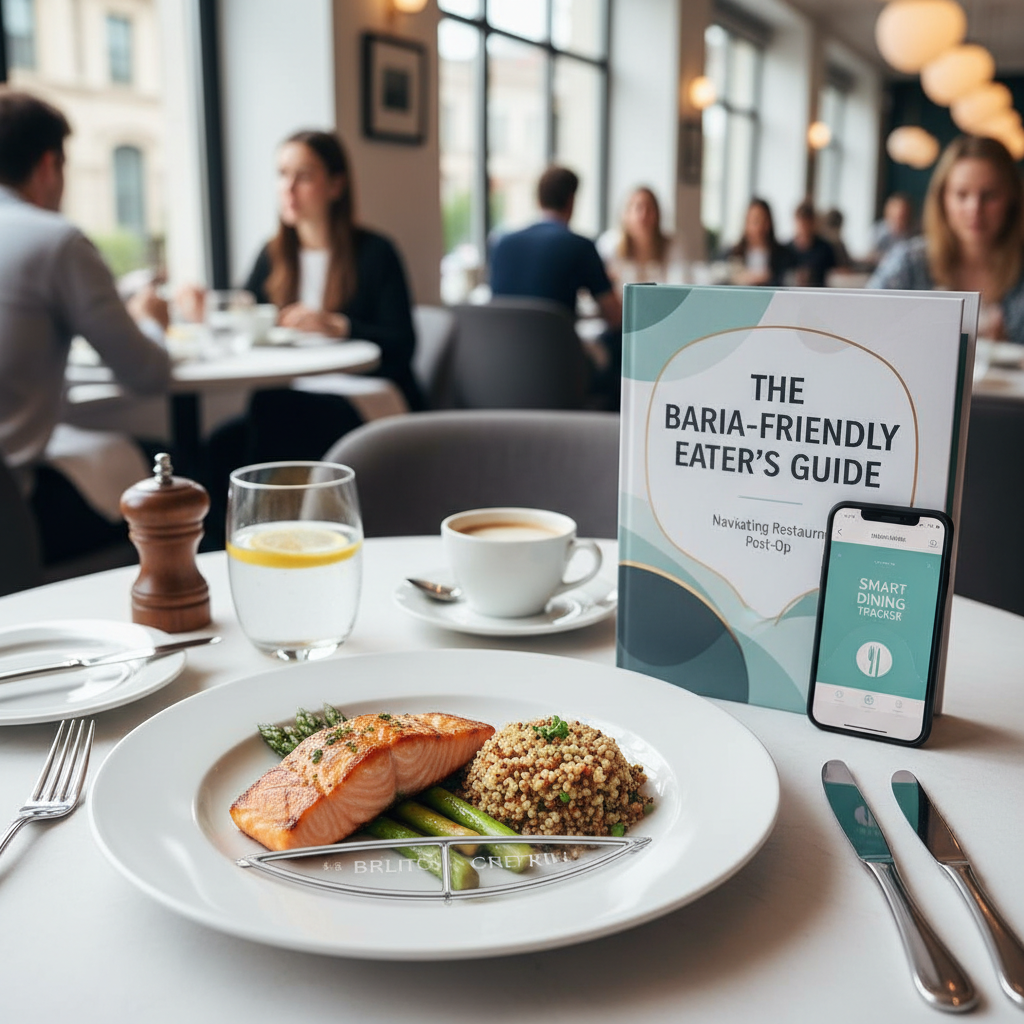
- Ask for a to-go box before you start so temptation is reduced (out of sight, out of mind).
- Eat slowly, put the fork down between bites, and sip water — small bites, 20 to 30 chews per bite helps.
- Stop eating when you feel satisfied, not stuffed. There’s a difference. Really.
What to order at popular types of restaurants
Different cuisines require different hacks. Here are concrete choices that make eating out easier while sticking to your post-op diet and healthy eating goals.
American diners and grills
- Grilled salmon or chicken salad with dressing on the side.
- Bunless burger with a side salad.
- Split a sandwich and substitute a salad for fries.
Italian restaurants
- Grilled fish or chicken with steamed veggies.
- A small portion of pasta (or half) paired with a lean protein and salad.
- Avoid heavy cream sauces and garlic bread (bread = fast empty calories).
Mexican spots
- Fajitas with lots of veggies, and skip the tortillas or eat one small corn tortilla.
- Grilled fish tacos (ask for corn tortillas and extra lettuce as a wrap).
- Avoid chips and salsa unless you share and set a strict limit.
Asian restaurants
- Sashimi or grilled fish, edamame as a protein-packed starter.
- Stir-fry with lean protein and veggies, sauce on the side, and brown rice half-portion if available.
Drinks, desserts, and special considerations
Drinks and desserts are where many folks accidentally sabotage their post-op diet. Sugar and carbonation can cause discomfort, dumping syndrome, or weight regain.
What to drink
- Water is best. Still water, or sparkling water if you tolerate carbonation (but be cautious early on).
- Protein drinks are okay if your surgeon/dietitian recommends them — sip slowly and separate from meals if advised.
- Avoid soda, sugary cocktails, sweet iced teas, and heavy alcohol. Alcohol burns faster after bariatric surgery — you’ll feel it quicker and it can be risky.
Dessert strategies
You can have dessert sometimes. The trick is portion and frequency. Try these tactics:
- Share one dessert for the table and take one bite to savor, not inhale.
- Choose fruit or Greek yogurt if available.
- Set a rule: dessert only on special occasions, and limit to one small choice.
Signs something’s wrong - when to stop eating and call your team
Eating out should not cause pain or repeated vomiting. If you have chest pain, severe abdominal pain, persistent vomiting, fever, or can’t keep fluids down, call your surgeon or go to the ER. Other warning signs include rapid heart rate, dizziness, or fainting after eating (possible dehydration or low blood sugar).
Handling special situations
Buffets and family-style meals
Buffets are a minefield. If you must attend, scope the options first, fill your plate once with mostly protein and veggies, then box the rest. Stand back from the buffet line after you’ve served yourself — willpower is a real thing but it has limits.
Business lunches and holidays
Social pressure is real. Plan ahead: preview the menu online, suggest a restaurant you trust, or eat a small protein-rich snack before you go so you're not ravenous. And you can be honest: "I’m following a medical diet, could I get a small portion?" Most colleagues will be supportive.
Traveling and airline food
Pack a cooler bag with protein-rich snacks (hard-boiled eggs, cottage cheese, protein bars approved by your dietitian). Call ahead to restaurants at your destination if you’ll be dining out on arrival day.
Practical dining tips to make real life easier
- Carry a small card in your wallet with dietary needs (e.g., "No fried foods, sauces on the side, small portions please") to hand to a server if you’re nervous about speaking up.
- Practice portioning: ask for a smaller plate or immediately ask to box half of the entrée.
- Time your meals: avoid big gaps between meals that make you overeat; eat protein-rich snacks if needed (check with your dietitian first).
- Stay hydrated, but don’t drink large amounts 30 minutes before or after meals if you’ve been advised to separate fluids and solids.
Sample restaurant-friendly meals (real examples)
These are actual plates I’d pick, and I’ve suggested specific server requests so you know what to say.
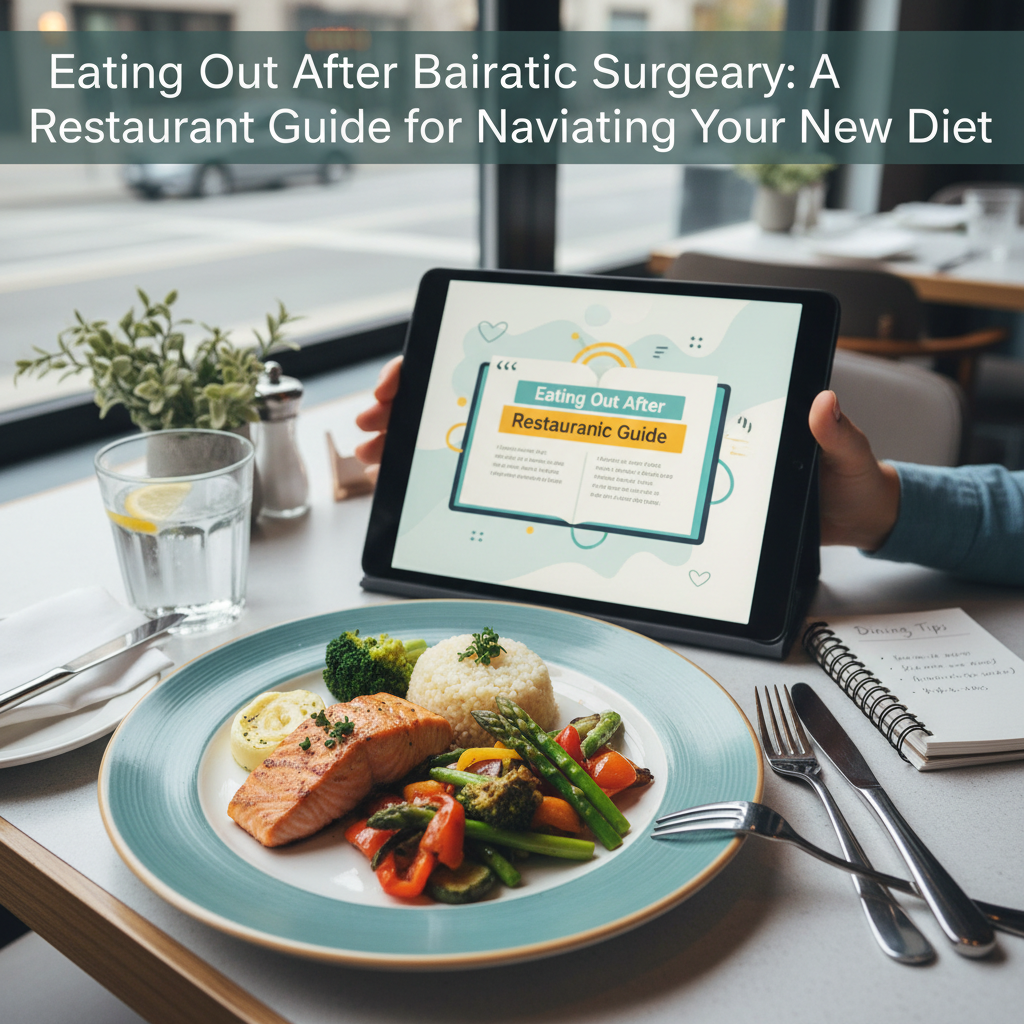
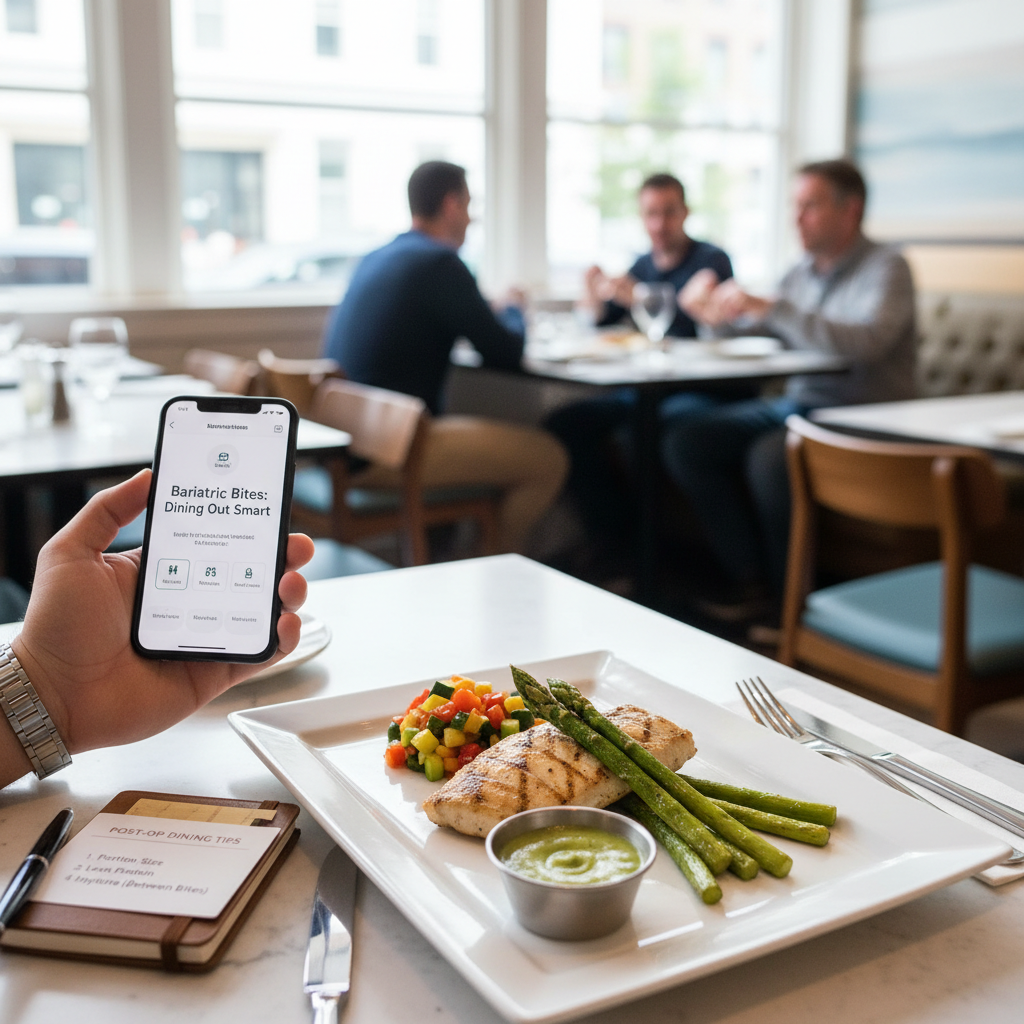
- Grilled salmon, side of asparagus, half-baked potato — ask for butter on the side.
- Chicken shawarma plate with extra salad, skip the pita, and ask for tahini on the side.
- Lean steak (4 oz), mixed greens with lemon vinaigrette on the side, and steamed green beans.
- Miso soup starter, sashimi entree, and edamame — small, protein-focused, and quick.
Work with your care team - don't guess
Follow-up appointments with your dietitian are gold. They’ll adjust protein targets, vitamin guidelines, and eating patterns for you. Bring in photos of meals you ate at restaurants if you're unsure whether choices were appropriate. From what I've seen, small course-corrections early prevent big setbacks later.
When you'd rather not think about it - let us help
Real talk: some people want a concierge approach. That's fine. If you need meal planning, scripts for servers, or a mock dining session for confidence, our team can step in and make it simple. We'll tailor options to your surgery type, stage of recovery, and lifestyle (and yes, we’ll make it realistic for friends and family outings).
Quick checklist before you go out
- Do I know my protein target for this meal? (Bring a small protein-bar if not)
- Have I pre-reviewed the menu online?
- Can I ask for half portions or box half immediately?
- Am I clear on which drinks to avoid?
- Do I have a plan if I start to feel unwell?
Final thoughts
Eating out after bariatric surgery doesn't have to be scary. With a few simple rules — prioritize protein, order small and plain, avoid sugary and carbonated drinks, and speak up — you can enjoy restaurants again. The best part is - well, actually there are two best parts - you can still be social and enjoy new flavors, and you can protect your surgical outcome at the same time.
If this feels overwhelming, remember you're not doing it alone. Your surgeon and dietitian are your first line of support, and if you want extra help planning menus or practicing how to order, we can help you hit the ground running.
Frequently Asked Questions
Can I drink alcohol at a restaurant after bariatric surgery?
Alcohol affects you differently after surgery — less alcohol is needed to feel its effects, and it can interfere with weight loss and nutrients. Many clinicians recommend avoiding alcohol for at least 6 months, often longer. If you do drink, limit to one standard drink, sip slowly, and never drink on an empty stomach. Always check with your surgeon or dietitian for personalized guidance.
What if I accidentally overeat or vomit while out?
First, stop eating. Sip water slowly if you can tolerate it. Vomiting occasionally can happen, especially early in recovery, but repeated vomiting or severe pain requires medical attention. Contact your bariatric team to report the episode and get advice — they may recommend an appointment or testing.
How do I handle pressure from friends or family to eat foods I shouldn't?
Honesty works. Say something simple like, "I had surgery and need to eat small, protein-focused meals. Can we order something I can eat?" Most people will understand. If not, you can be firm: "I'm not comfortable right now." And if you're worried about confrontation, our team can help you craft polite but clear phrases.
Are protein supplements okay at restaurants?
Yes, protein supplements are often fine, and some people use them to hit targets when meals are small. Check with your dietitian for timing and product choice. Drinking protein slowly and not immediately with solids is a common recommendation for some patients, but follow your personalized plan.
How often is it safe to eat out after surgery?
Frequency depends on your goals, budget, and how well you follow the post-op diet. Weekly dining out is fine for many people if they choose wisely and keep portions controlled. Some prefer special-occasion only. Track how you feel and how it affects weight and labs, and adjust with your care team.